
Health · The Elbow Files
5 Things About “Tennis Elbow” Nobody Told Me Until I’d Already Wasted Two Years
I did everything the doctor said. I got worse for it. Here’s what I wish someone had told me on day one.
 Marcus Ellery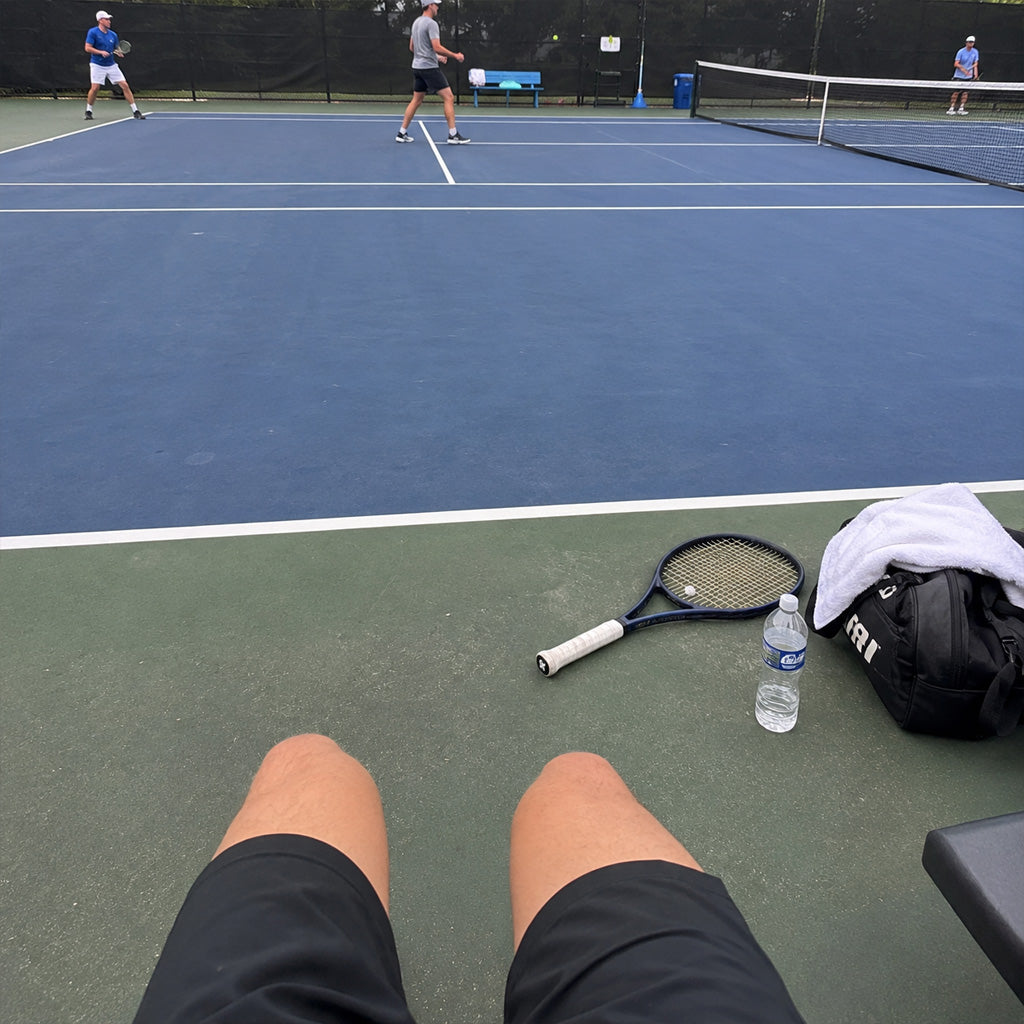
I didn’t hurt my elbow doing anything dramatic. There was no fall, no pop, no single moment I could point to. It just started one ordinary morning — a dull, hot ache on the outside of my elbow when I picked up the coffee pot. I told myself it was a tweak. It would pass.
It did not pass.
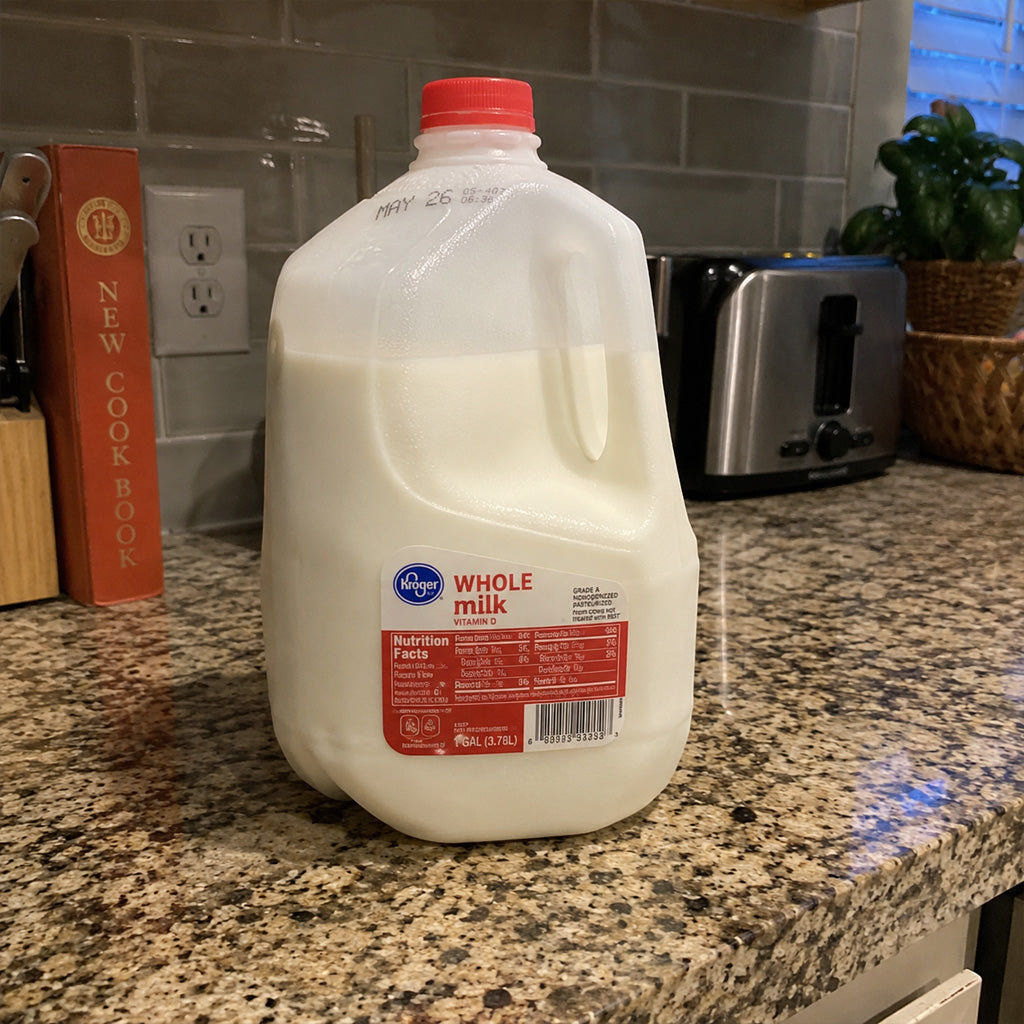
A few weeks later I couldn’t shake a hand without wincing. I set a gallon of milk down on the counter with two hands like an old man, and I’m not an old man. The thing that finally got me was quieter than all of it: I started sitting out the third game. I’d make an excuse — tired, early morning, whatever — and I’d sit there watching my group play without me, not telling anyone why.
That’s the part nobody warns you about. It doesn’t announce itself as an injury. It just quietly starts taking the thing you love away from you, one game at a time, and you’re the only one who knows it’s happening.
So I did what everyone does. I rested it. I iced it. I bought the strap from the pharmacy. And here is what two years and a drawer full of half-used gadgets eventually taught me — five things I wish someone had told me on day one.
One
It was never “inflammation” — which is exactly why icing it made it worse
For two years I treated my elbow like it was swollen and angry. Ice it down, calm it down, wait for the inflammation to settle. That’s what “tennis elbow” sounds like, right? Something inflamed.
Then I found the research that stopped me cold. What I had wasn’t tendinitis — the acute, inflamed kind. It was tendinosis. And they are not the same thing. As one physical therapy group puts it, painful tendons in these chronic cases “do not actually become inflamed, but rather their cellular structure breaks down over time.” The tissue isn’t fired up. It’s worn down.
Read that again, because it quietly demolishes everything I’d been doing. You cannot “reduce the inflammation” of something that isn’t inflamed. I’d spent two years fighting a fire that wasn’t burning — and wondering why the water never helped.
Two
The man who invented “rest it and ice it” spent the rest of his life taking it back
This is the one that made me genuinely angry. In 1978, a doctor named Gabe Mirkin wrote a bestselling sportsmedicine book and coined a four-letter acronym you have absolutely heard: RICE — Rest, Ice, Compression, Elevation. Every coach, every trainer, every family doctor has repeated it for over forty years. It’s the reason I reached for the ice pack.
Then, decades later, Mirkin publicly reversed himself:
“Coaches have used my ‘RICE’ guideline for decades, but now it appears that both Ice and complete Rest may delay healing, instead of helping.”
— Dr. Gabe Mirkin, who coined RICE in 1978
The man who told the entire world to ice it and rest it changed his mind. And almost nobody got the memo. The advice outlived the science by decades. I was following a 1978 instruction that its own author had already thrown out — and no one told me.
Three
Rest and ice do the one thing a starving tendon can’t survive: they cut off its blood
Here’s where the two facts above collide into something that finally made sense of my last two years. Tendons are strange tissue. They have, as one recovery source explains, “reduced blood supply and poor circulation, so they heal very slowly.” They’re starved of blood even on a good day. That’s why they nag for months instead of healing in a week like a cut on your finger.
Now think about what rest and ice actually do to blood flow. Ice constricts the vessels — that’s the whole point of it, that’s why it numbs. Rest slows circulation further. So the two things I was told to do were the two things that structurally guaranteed my already blood-starved tendon stayed starved.
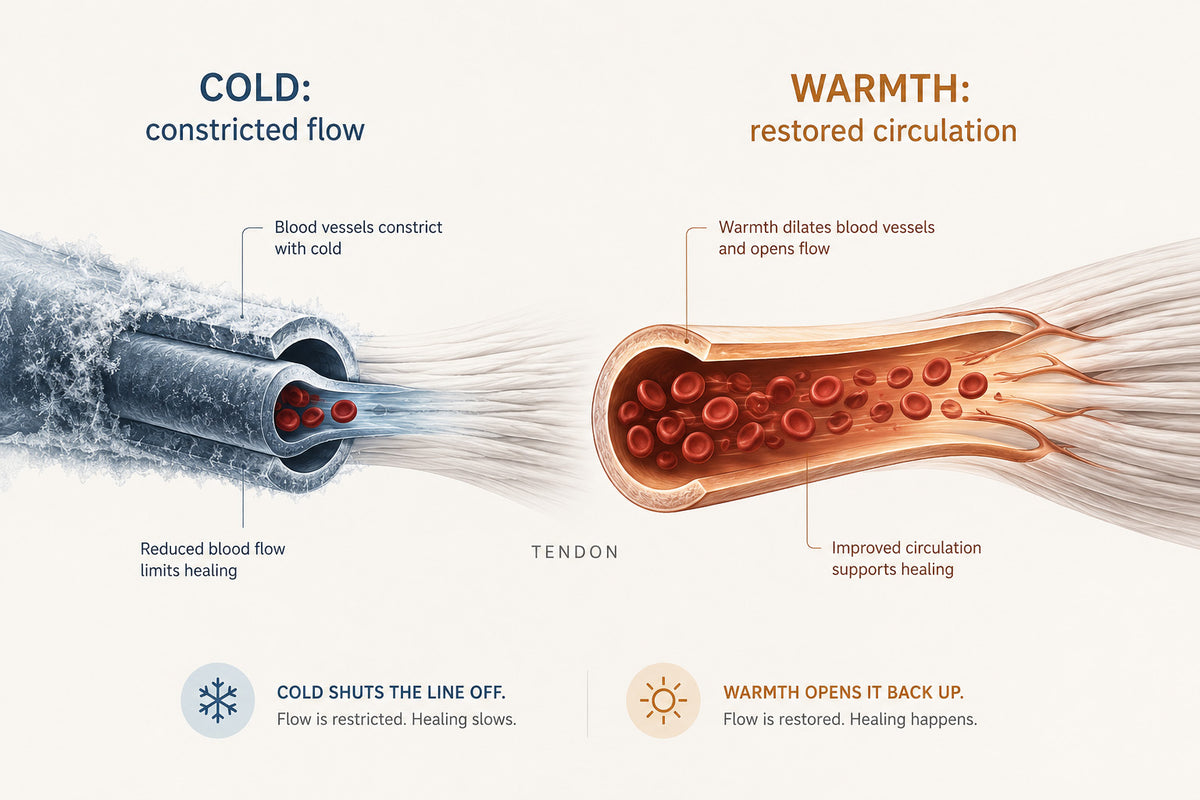
I think of it now like a frozen pipe. Cold shuts the flow off. The line can’t carry anything to where the repair needs to happen. You can rest and ice a frozen pipe forever — it will never thaw itself that way. I wasn’t failing to heal. I was being kept from it.
Four
My own arm had been trying to tell me the answer for two years
This is the part that gave me chills, because I already knew it. I’d just never listened. Think about your own elbow for a second. When is it at its worst? First thing in the morning. When it’s cold. When you haven’t moved it. And when does it feel almost normal? After you’ve warmed up — once there’s some heat and circulation in there, the pain quietly backs off.
I’d experienced this a hundred times and never connected the dots. My body had been running the experiment for me the whole time. Warmth plus movement = the arm works. Cold plus rest = it seizes back up. That’s not a marketing claim someone sold me. That’s my own lived evidence — and it lines up with the mechanism: heat opens the blood flow, and as the Mayo Clinic puts it, “heat can boost blood flow, and that may help the tendon heal.”
Five
But a heating pad won’t do it — and that’s the trap that cost me another month
So I got excited, went to the closet, and dug out an old heating pad. Draped it over my elbow. Felt nice. Did basically nothing for the actual problem.
Here’s why, and it’s the last piece nobody tells you: a heating pad warms your skin. It sits on the surface and mostly stops at the top layer. But the tendon — the tissue that’s actually starved — sits deeper, wrapped around the joint. Surface heat that fades in an inch never reaches it.
I’d finally understood that heat was the answer, and I still almost blew it by reaching for the wrong kind of heat. What I needed wasn’t a warm pad flopped on top of my arm. I needed heat driven deep and held there — wrapped snug right around the joint, before I played to wake the tissue up, and after I played to keep the blood moving through recovery.
What I actually use now
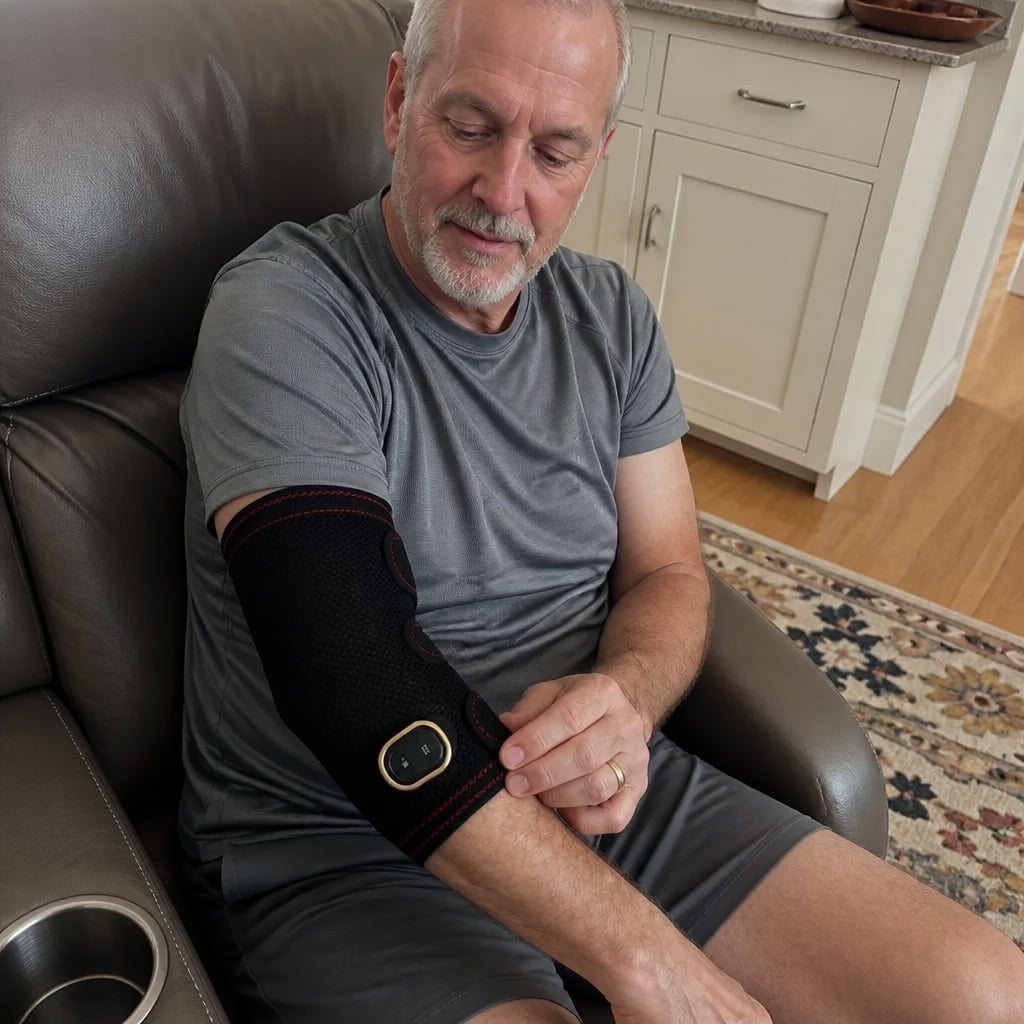
Once I understood those five things, I stopped looking for a “cure” and started looking for the simplest way to do one thing: get deep, sustained heat into the joint, before and after I play.
That’s how I ended up with the Stowce Heated Elbow Brace. It’s not a heating pad and it’s not a medical device — it’s a wrap. It uses fast-heating carbon-fiber wire to drive heat into the joint instead of just warming the surface, with a gentle vibration mode that adds a second nudge to circulation, and adjustable Velcro that actually fits your arm. You warm up before your session. You wear it after. That’s it.
I’m not going to tell you it’s a miracle, because I don’t believe in those anymore and neither do you. What I’ll tell you is that it does the one mechanically sensible thing my last two years taught me actually matters: it opens the tap that rest and ice kept closed. It supports blood flow, warms and preps the tissue, and soothes the stiffness so I can move.
I got my spot back in the Tuesday group. The third game instead of watching it. A handshake without doing the math first. The milk carried with one arm.
If your elbow feels fine once it’s warm and awful the moment it’s cold, some part of you already knows which of the five hit home.
See the Stowce Heated Elbow Brace →ADVERTISEMENT. This is an advertorial and paid marketing communication, not a news article, editorial, or independent consumer report. The first-person account may be a dramatization based on real customer experiences and published research, and any individual featured may have been compensated. Testimonials reflect individual experiences and are not a guarantee that you will achieve the same or similar results.
This product is intended to support blood flow, warm and prep tissue, relax muscles, and soothe stiffness before and after activity. It is not a medical device and is not intended to diagnose, treat, cure, or prevent any disease. Statements have not been evaluated by the FDA. Consult a qualified healthcare professional about your individual situation. Individual experiences vary.